


How to Leverage Australia's Financial Landscape for Business Growth
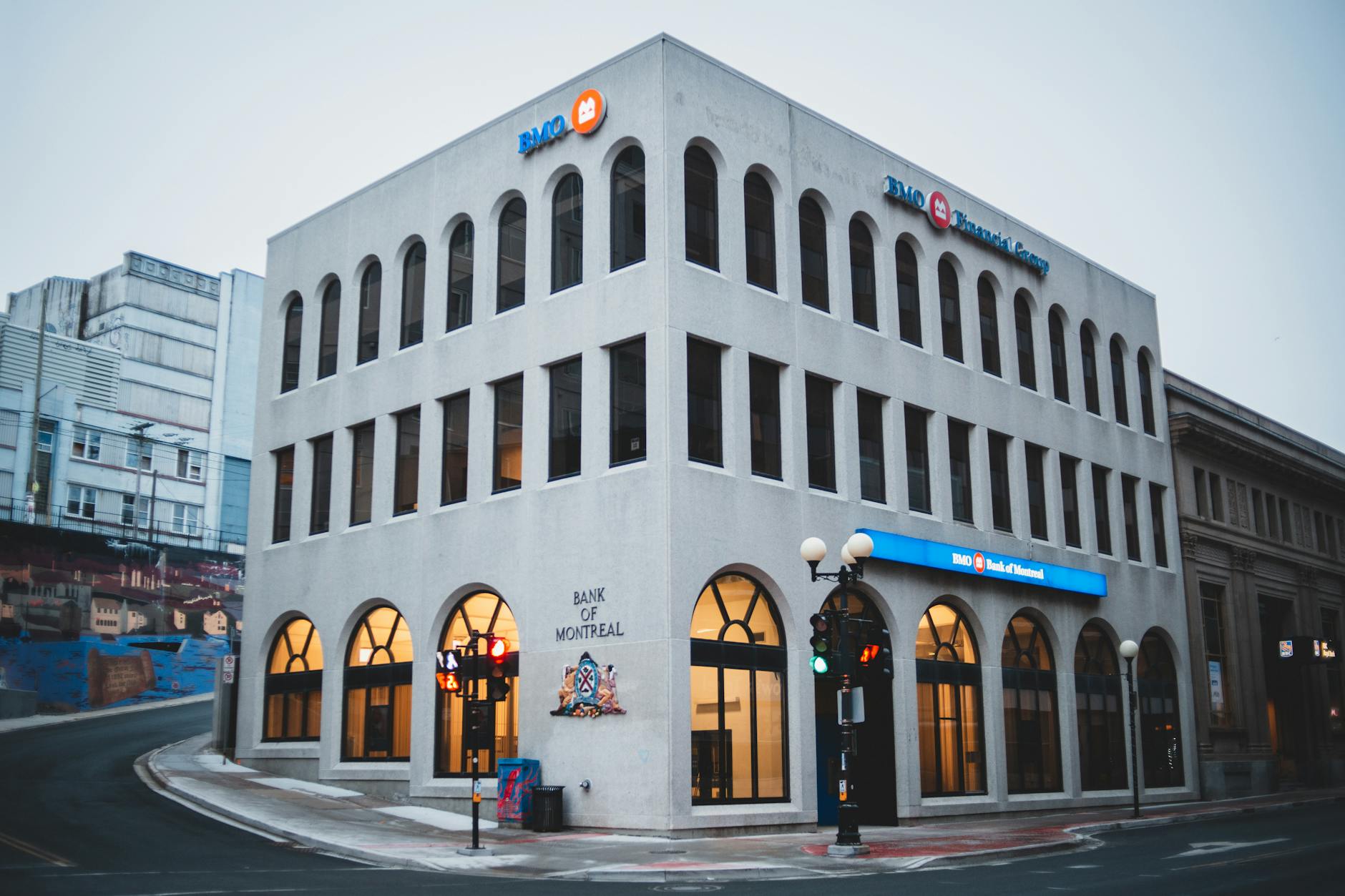
Australia's Financial Ecosystem
Understanding the financial ecosystem in Australia can be a game-changer for those looking to expand their business ventures, particularly in the vibrant domains of design and architecture. Picture yourself at the innovative networking events hosted by the Australian Centre for the Moving Image (ACMI)—a perfect backdrop for making real-world connections. In this ecosystem, key players are not limited to traditional financial institutions.
Key Financial Institutions
In Australia, major banks play foundational roles, but there's a growing presence of fintech companies that provide personalised services. These institutions offer a range of products aimed at supporting entrepreneurial ambitions, from small business loans to specific finance for creative professions. Understanding these can be crucial when you or your clients require a short term bridging loan to smooth transactions during a property renovation project.
Types of Financial Instruments
The range of financial instruments varies sharply, and familiarising yourself with options like short term property loans can empower you in conversations with clients. Whether it's a client needing quick financing to renovate a newly acquired space or you looking to invest in expanding your studio, grasping these tools is essential.
Government Regulations and Policies
Navigating the landscape means understanding the rules set by the Australian government, which could impact business financing. These policies often create windows of opportunity for funding that could be leveraged to enhance your business offerings. So, consider investing some time to study these regulations, as they might offer unexpected avenues for financial growth.
Equipped with this knowledge, individuals like Mia can adjust their strategies to create better-designed environments for their clients while securing their financial futures.
Business Financing Options
Bridging Loans Explained
When you're knee-deep in projects and opportunity knocks at your door, having quick access to funds can change everything. A bridging loan might be just the tool you need to keep your momentum going. But what is a bridging loan? Simply put, it's a short-term finance solution typically used when you need to bridge the gap between buying a new property and selling an existing one. This financial instrument allows businesses to seize opportunities without having to wait for existing capital to free up, which is particularly handy in the property space. For someone like Mia, working in design and architecture, bridging loans can be the ace up your sleeve when a lucrative renovation project emerges on the horizon.
Given the bustling atmosphere of spaces like Melbourne's CBD coworking hubs, staying ahead requires both creative acumen and financial insight. Think of bridging loans as your partner in transforming those visionary sketches into client-ready spaces, meeting deadlines, and executing plans with agility.
While securing such funding, always be clear about repayment terms and the interest rate structure. It's these details that will determine whether the venture into immediate funding will give you the edge you need or become a financial burden. If you're considering bridging finance, it might be worthwhile visiting tech hubs along St Kilda Road, where financial advisors often hold consultations aimed at small business owners just like you.
Planning for Business Expansion
As an interior designer aspiring to escalate your business by owning a design studio, choosing the right financial strategy is crucial. Bridging loans can serve as a valuable financial tool when planning for business expansion. Unlike traditional loans, bridging loans offer swift access to capital, ideal for scenarios where funds are immediately needed yet pending longer-term financing solutions. This can be particularly useful when redesigning a space for a new studio or starting a larger renovation project.
When assessing whether bridging finance aligns with your business goals, it's essential to understand the cost implications, such as the bridging finance rate. This rate often varies and can significantly impact the overall feasibility of your investment. One practical tip is to compare these rates to ensure competitive and affordable options that support your design aspirations without compromising your financial stability.
Creating a robust financial framework is made easier with strategic initiatives. Consider developing a detailed budget plan that includes estimated costs for different phases of your expansion, from equipment purchases to initial marketing strategies. This would allow you to monitor the efficient use of resources, aiding the smooth execution of your business projects.
And let's not neglect the power of networking. Melbourne's coworking spaces and events, such as those at the Australian Centre for the Moving Image (ACMI), are perfect platforms to connect with like-minded strategists. Sharing experiences and insights with other professionals can offer fresh perspectives and innovative ideas that may be new to you, aiding your journey towards fulfilling your dream studio.
Success Stories and Examples
Local Business Case Studies
Imagine wandering through Melbourne's vibrant coworking spaces and tech hubs on St Kilda Road, where dynamic ideas flourish daily. These environments nurture local businesses that have taken advantage of bridge financing to achieve remarkable growth. For instance, consider a small tech startup that needed to pivot swiftly due to market shifts. By accessing bridge financing, they managed to seamlessly transition and sustain their operations while their next venture secured long-term funding.
Lessons from the Design Industry
Within the design world, creative professionals like Mia Thompson often face the challenge of aligning artistic vision with financial realities. A compelling story from this sector involves a boutique design firm that used a bridge loan calculator to map out short-term funding needs. This strategy enabled the firm to complete a high-risk renovation project without financial strain, transforming an old industrial space into a stunning modern office. The success not only enhanced their portfolio but also attracted a slew of high-profile clients.
Innovative Financing Solutions
As entrepreneurs in Melbourne collaborate during events at the Australian Centre for the Moving Image (ACMI), innovative financing strategies are often a hot topic. Some businesses explore short-term property loans tailored to bridge a gap before property sales are finalised. These solutions offer flexibility, allowing firms to capitalise on immediate opportunities without waiting for traditional financing. For Mia and others in the design industry, understanding these options can empower them to push their creative boundaries while ensuring financial stability.
Glossary of Financial Terms
Essential Financial Terminology
In the heart of Melbourne's vibrant coworking spaces, where ideas mingle and innovation thrives, understanding financial jargon is crucial for burgeoning businesses. Let's explore some key terms that you may encounter:
- Cash Flow Management:
This involves tracking the inflow and outflow of cash in your company. Positive cash flow is vital for sustaining operations and fueling growth, especially when you're eyeing that office space along St Kilda Road.
- Business Funding Options:
These are various routes you can take to secure financial backing, crucial for propelling your business idea into reality. From bank loans to angel investors, each option has its strategic merit.
- Financial stress business:
This refers to the strain a company experiences when it can't meet its financial obligations. Understanding and predicting potential financial stress is essential to maintain business stability and growth.
Advanced Financial Concepts
Melbourne's entrepreneurs are renowned for their ingenuity, yet navigating advanced financial strategies remains essential. Some vital concepts include:
- Debt-to-Equity Ratio:
This indicates the proportion of company financing that comes from creditors and investors. A balanced ratio can make all the difference when presenting your business plans at a networking event at the ACMI.
- Return on Investment (ROI):
A metric used to evaluate the efficiency of an investment. Knowing your ROI can help you make informed decisions in financing your next creative project.
Mastering these financial concepts bolsters your strategic prowess, equipping you to capitalise on Melbourne's dynamic financial landscape.